
The meme marketing It's an innovative strategy that uses viral content like images and videos to capture the attention of online audiences. Memes spread quickly on social media, making them a powerful tool for viral marketing.
Meme marketing represents a simple, immediate, and fun communication style, ideal for brands that want to appear authentic and human.
Index
- The origin of memes
- The Power of Memes in Marketing
- The Negative Consequences and Risks of Meme Marketing
- Not all memes are the same
- How to Use Memes in Your Marketing Mix
- Inspiration from the best examples of Meme Marketing in action
- The future of digital marketing is through memes.
- Conclusioni
The origin of memes
The term meme was first coined by Richard Dawkins In his 1976 book, The Selfish Gene, Dawkins, an evolutionary biologist, introduced the concept of memes to explain how cultural ideas and behaviors spread and replicate within societies.
In more specific terms, a meme would be a “self-propagating unit” of cultural evolution, Dawkins' central idea was that Memes work similarly to genes: they replicate and evolve primarily by imitation.
What are memes according to Dawkins?
- Replicable information unitA meme is any idea, behavior, or style that spreads from person to person within a culture.
- Mechanism of cultural evolutionMemes follow a process similar to natural selection, where only the most adaptable and attractive survive and spread.
- Original examplesPopular songs, sayings, clothing trends, and craft techniques are some examples of memes in Dawkins's original context.
The Rise of Meme Marketing
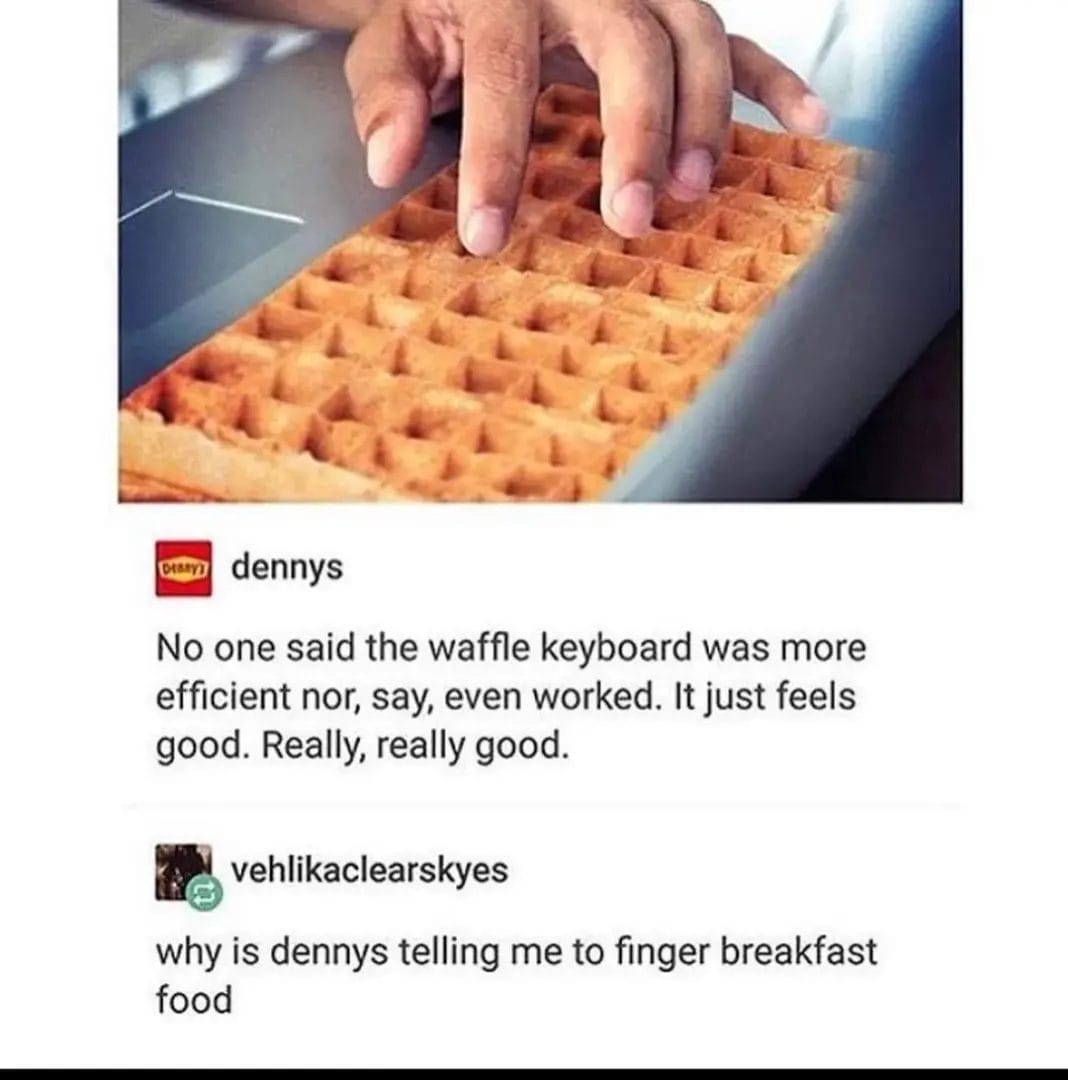
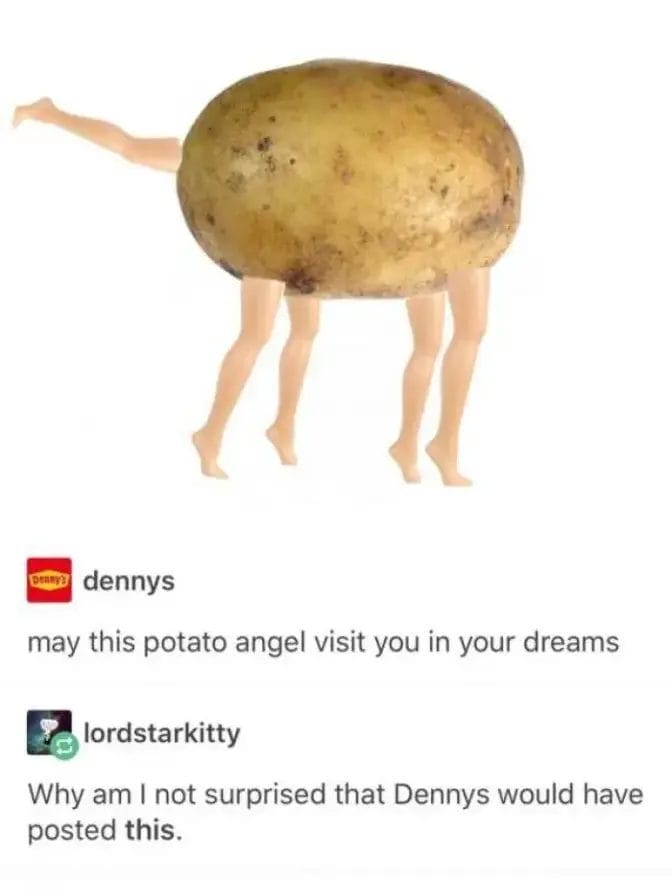
From viral marketing, we moved on to meme marketing, a specific subcategory that took hold in 2013 when the chain of Denny's fast food He opened a Tumblr profile. Instead of creating serious posts in line with the company's image, Denny's began posting self-deprecating memes and jokes about their products.
This innovative approach led Denny's to gain the approval and engagement of Internet users, ushering in a new era of digital marketing.

The impact on social media
Memes have found fertile ground on social media due to their ability to:
- Attract immediate attention
- Encourage online interaction
- Creating emotional connections with audiences
From a theoretical concept of cultural evolution to a powerful tool in digital marketing, memes have retained their original essence as easily replicable and extremely influential vehicles of information.
The Power of Memes in Marketing
Memes have become an essential part of the digital world, becoming powerful tools in the marketing field. There are several reasons why memes are so popular among brands and consumers.
Why do memes work?
An average internet user watches about 23 memes a day. Memes have become an integral part of internet culture, and companies have realized that social media prioritizes sharing entertaining content over traditional advertising. A well-crafted meme can generate high levels of engagement and help spread a company's name organically and virally.
1. They go viral and are easily shared
Memes have a unique characteristic: they go viral very easily. Due to their humorous nature and the ability to easily share them on social media, memes spread quickly among people. This allows brands to reach a large number of people without having to invest a lot of money.
2. They create an emotional bond
Memes often play on common emotions such as amusement, nostalgia, or empathy, thus creating an emotional connection with the audience. This not only grabs people's attention, but also strengthens their relationship with the brand.
3. They use popular culture
Memes draw inspiration from popular culture, making them instantly recognizable and relevant. When brands use popular references in their memes, they are able to insert themselves into people's daily conversations, thus increasing their visibility and relevance. A common example is the use of famous people or iconic movie scenes in memes to grab audience attention.
4. They show the authentic and human side of the brand
Through memes, brands have the opportunity to showcase a more authentic and human aspect, going beyond traditional formal advertising campaigns. This informal approach allows people to perceive the brand as more accessible and engaging.
5. They generate engagement and interaction
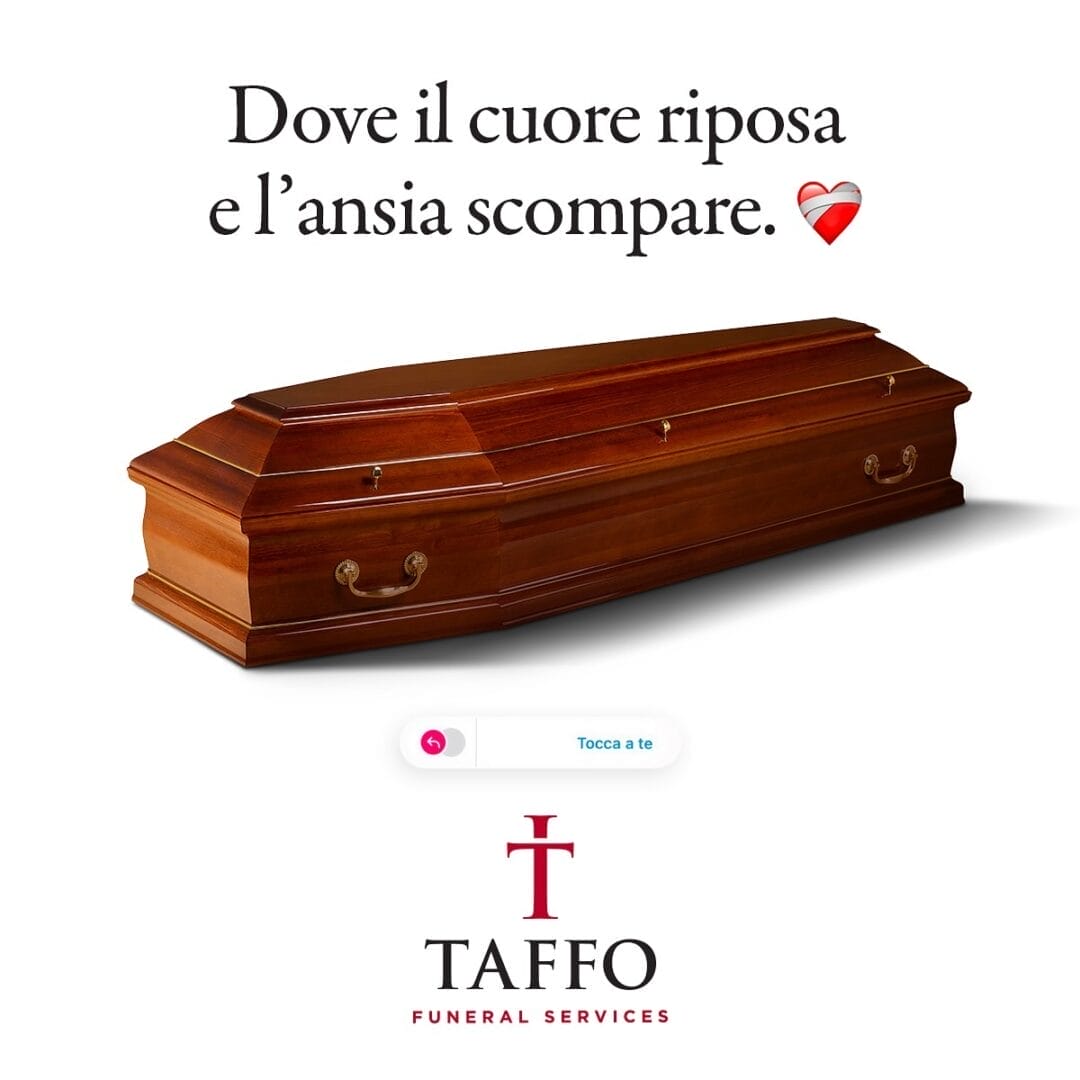
Memes are particularly effective at engaging people thanks to their ability to elicit immediate reactions such as laughter, comments, or shares. This type of interaction not only increases the visibility of the post, but It also promotes greater interaction between the brand and its followers. For example, Taffo manages to get thousands of likes and comments thanks to the clever use of dark humor in his posts.
6. They are easy to create
Creating a meme generally requires fewer resources than other forms of visual content or video marketing. There are numerous free online tools that allow even less experienced marketers to create engaging content in minutes.
The success of memes in marketing lies in their unique ability to combine virality, emotional connection, and cultural recognition, offering brands an effective way to engage audiences in an authentic and entertaining way.
Transitional Hooks: When a Meme Turns Into a Promotional Video
Transitional hooks in social media videos represent an innovative opportunity for companies to improve the effectiveness of their marketing campaigns. By integrating these elements, businesses can create humorous and engaging content, increasing the likelihood of retaining viewers' attention and conveying their message more effectively.

A transitional hook for social media videos is an element used to quickly guide viewers from one segment of the video to another. This can include graphic animations, sound effects, quick cuts, or other engaging techniques that maintain the viewer's interest and ensure a seamless flow throughout the video.
Transitional hooks are used to hold the audience's attention, prevent lapses in interest, and keep the overall narrative coherent, engaging, and entertaining.
On transitionalhooks.com You'll find many ready-to-use examples for your videos.
The Negative Consequences and Risks of Meme Marketing
Despite its successes, meme marketing can have negative consequences if not used correctly. The saturation of poorly made memes by companies has led to a negative response from users, often summarized in the comment "Silence, Brand" under each post. Furthermore, the misuse of memes can make companies appear awkward, trying to forcefully connect with young people.
Although technically simple to create, to create viral content through memes, it is essential to adopt a content strategy Well-structured. This approach ensures that memes not only capture the audience's attention but also encourage interaction and sharing. Here are some key strategies:
1. Know your audience
- Market segmentation: Identify the demographic, psychographic, and behavioral characteristics of the target.
- Trend analysis: Monitor current trends on social media and understand which types of memes resonate best with your audience.
2. Use irony and satire
- Ironic contentMemes should be funny and relevant to encourage sharing.
- Satirical contentThese elements can make a meme more memorable, especially when used to comment on current events or everyday situations.
3. Incorporate recognizable cultural elements
- Pop Culture References: Use characters, scenes or famous phrases from films, TV series or the “trash” world.
- Geographical adaptationMemes should speak to your audience and reflect the specific culture and habits of your target audience.
4. Simplicity and immediacy
- Clear messagesA meme must convey its message in a few seconds.
- Clean design: Use a simple design and avoid overloading the meme with too many details.
5. Testing and interaction
- A/B testing: Create different versions of a meme and test them to see which one gets the most engagement.
- Audience FeedbackListen to audience feedback and reactions to improve future content.
6. Use of appropriate tools
- Online meme generatorsTools like Meme Generator allow you to quickly create viral content.
- Graphics software: Adobe Photoshop or Canva can be used to further customize memes.
7. Perfect timing
- Real-Time Marketing: Use real-time events or world days to create relevant memes.
- Editorial calendarPlan posts strategically to maximize impact during key periods, but be careful not to use outdated memes.
Not all memes are the same
Internet memes, image macro And dank meme These represent the main categories of memes used in digital marketing. Each type has unique characteristics and specific applications that businesses can leverage to create engaging and viral content.
Internet Meme
The internet memes They are cultural elements that spread rapidly online, often through humorous images, videos, or texts. These memes leverage references to current events, pop culture, or everyday situations to create an immediate connection with their audience.
Application examples:
- Social media campaignsCompanies can use internet memes to comment on real-time events or participate in viral trends.
- Company Blogs and NewslettersIntegrating memes into articles can make the content more accessible and entertaining.
Thank you meme
I dank meme They represent a more sophisticated and often more nihilistic form of meme. These memes exist by adding layers of sarcasm, irony, or paradox, generally targeting a very specific niche audience.
Distinguishing features:
- Thematic complexityThey require a deep understanding of their audience in order to convey what we might call real “inside jokes”.
- Black humorThey often use dark and irreverent humor.
Possible uses in marketing:
- Niche targeting: Ideal for brands that want to connect with specific audience segments with particular interests.
- Bold rebranding: Perfect for companies looking to position themselves as nonconformists or during a bold relaunch campaign.
The right approach involves knowing your target audience well and choosing the type of meme that best fits your brand's personality. The strategic use of memes can transform a simple advertising campaign into a viral phenomenon capable of capturing global attention.
How to Use Memes in Your Marketing Mix
The meme marketing It's a strategy that can be very effective if used correctly. Creating memes is a creative process that requires both technical knowledge and a deep understanding of cultural trends and your target audience. Here's how you can integrate memes into your marketing mix:
Meme Creation Tools
To get started, it's essential to have access to the right tools. Some of the most popular include:
- Meme Generator: Websites like Meme Generator They offer pre-made templates to create memes in minutes.
- Image editing softwarePrograms like Adobe Photoshop or GIMP allow for advanced customization, ideal for those looking for a professional touch.
- Mobile AppApplications like Mematic or Meme Creator are useful for creating memes directly from your smartphone.
Identify trends
The most effective memes are those that capitalize on current trends. For this reason, it's crucial to stay up-to-date on what's going viral. Some ways to do this include:
- Monitor social media (Twitter/X and TikTok in particular) and forum platforms like Reddit.
- Use analytics tools like Google Trends.
- Follow pages dedicated to memes.
Incorporating Memes into Your Marketing Mix
Integrating memes into your marketing mix means using them across various channels and contexts:
- Social MediaFacebook, Instagram, Twitter, and TikTok are ideal platforms for viral sharing.
- Blogs and websites: Adding relevant memes to your blog posts can make your content more engaging.
- Email campaigns: Including an appropriate meme in your emails can increase your open and engagement rates.
The best examples of meme marketing from famous brands
Ryanair
Ryanair It is an emblematic example of how a brand can use meme marketing to create a authentic and fun connection with your audience. The Irish low-cost airline has adopted a humorous and self-deprecating tone on its social media channels, using memes that play on stereotypes and common situations related to air travel.
KFC
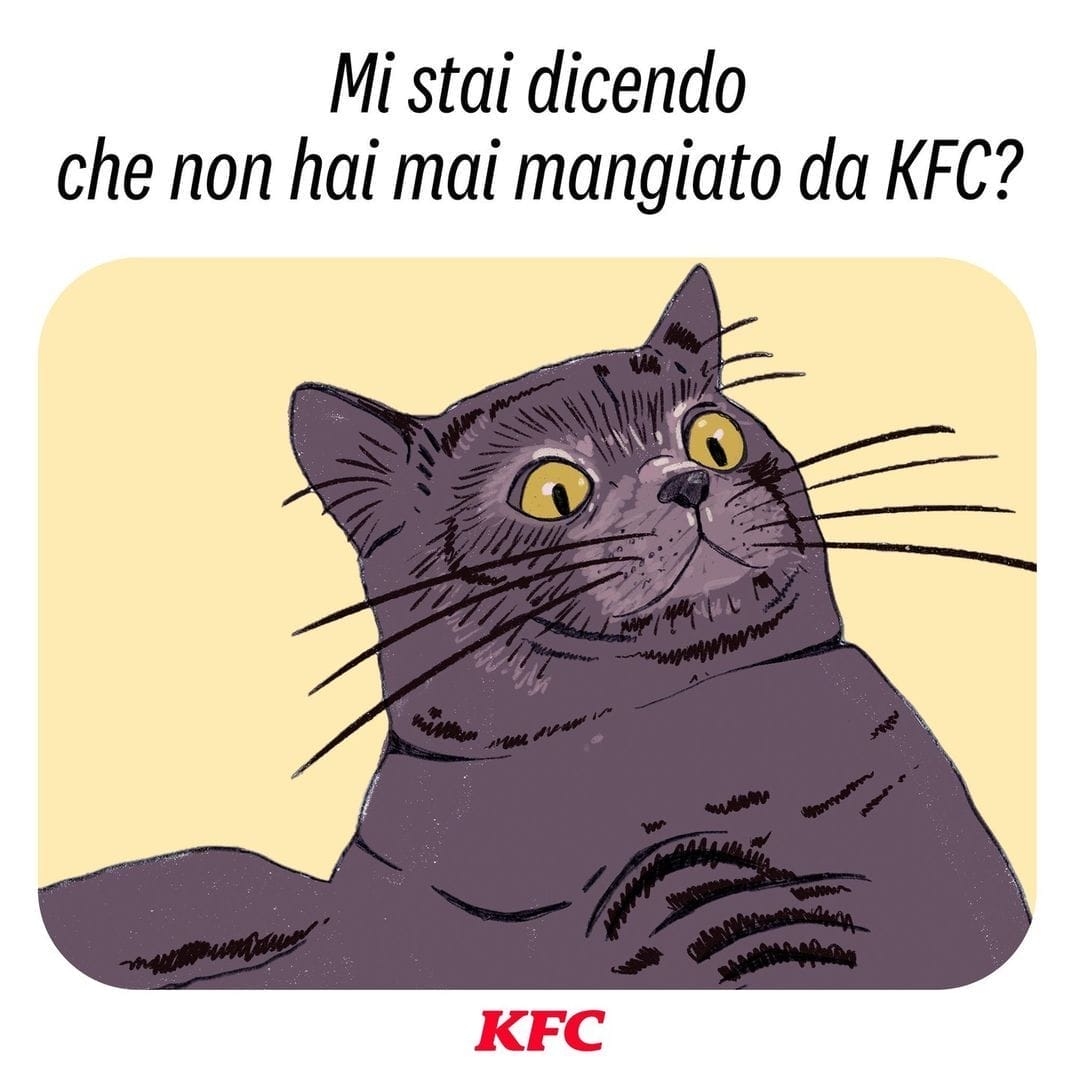
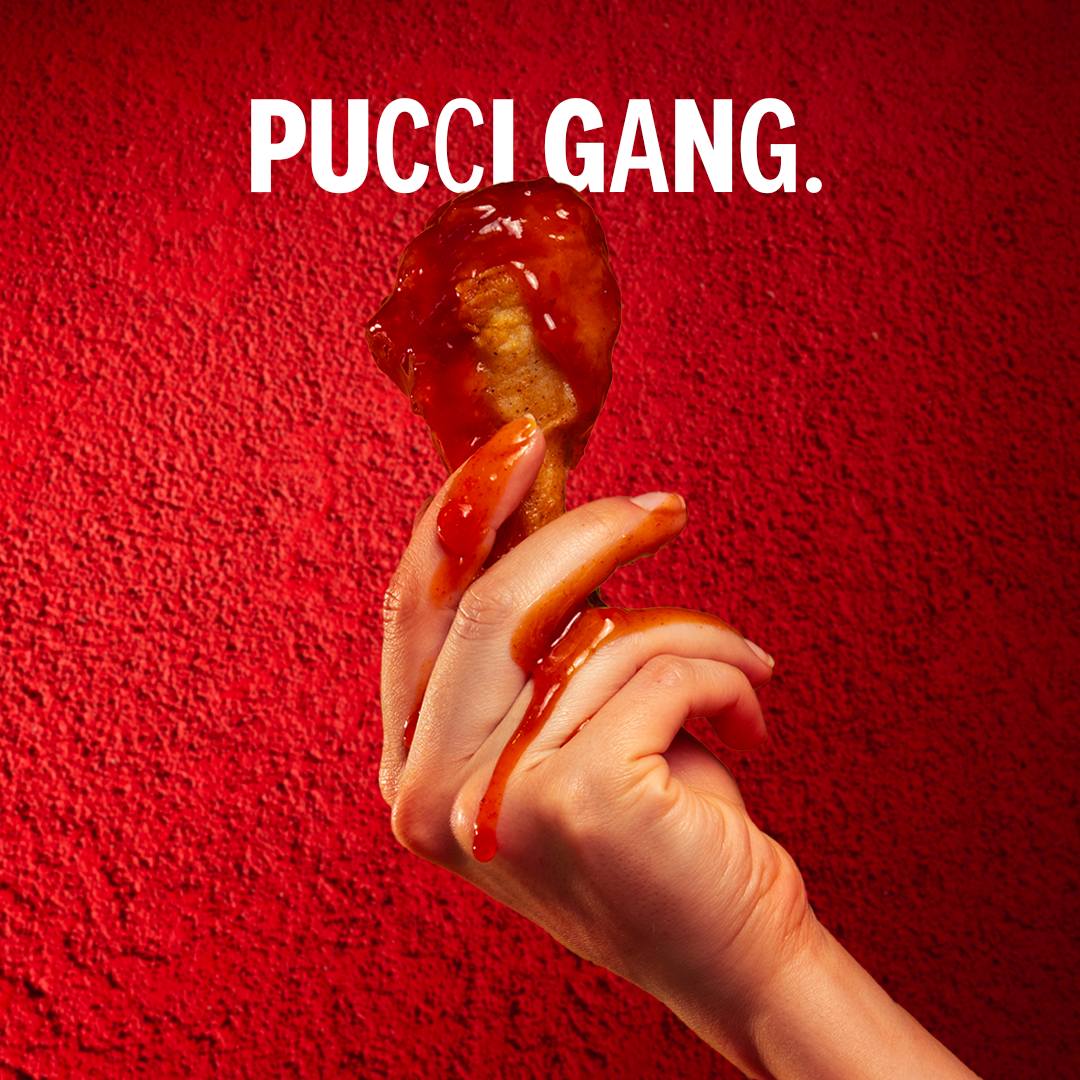
KFC he was able to masterfully exploit the viral potential of memes to strengthen its brand and promote its products. In particular, KFC has used memes to turn negative moments into marketing opportunities.
Durex
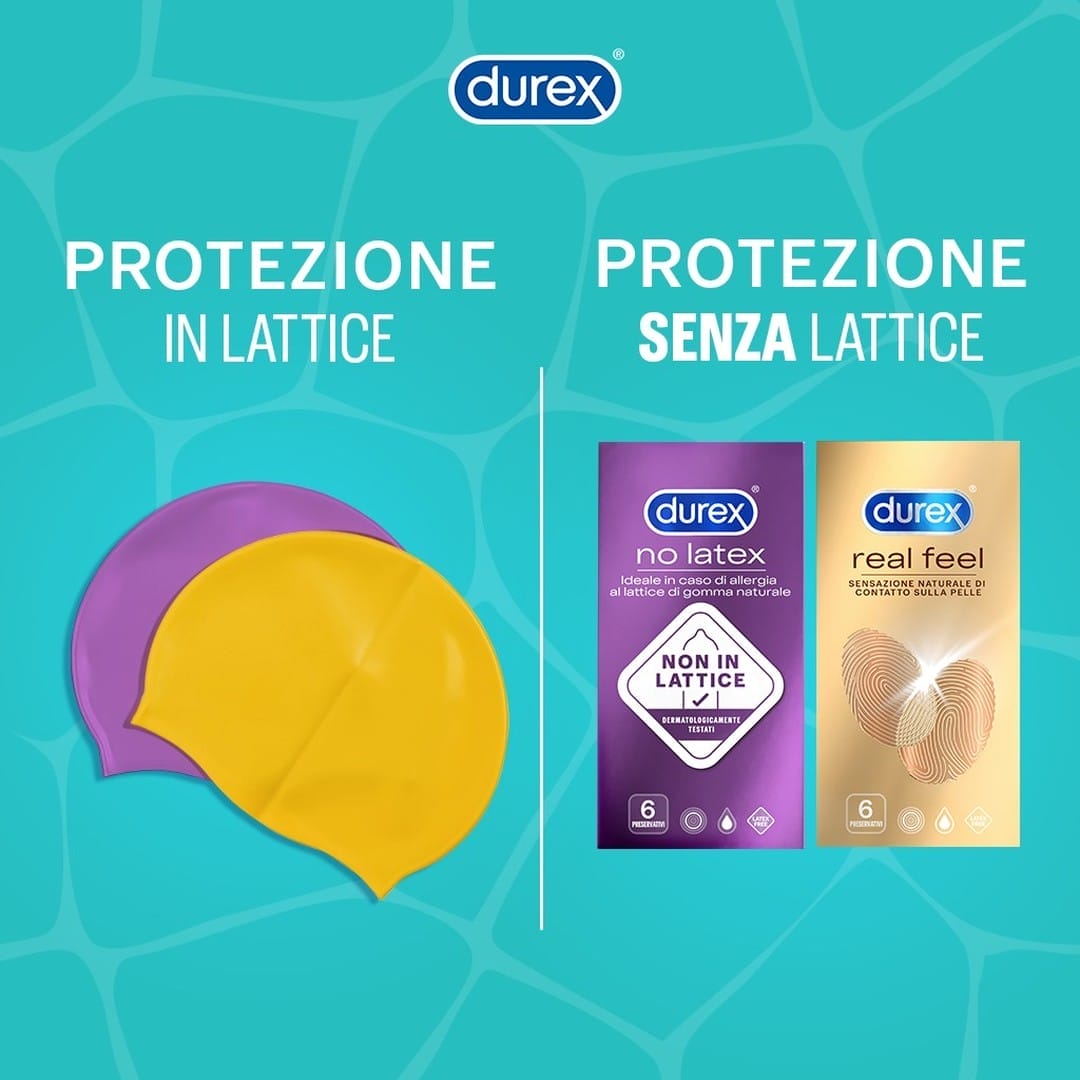
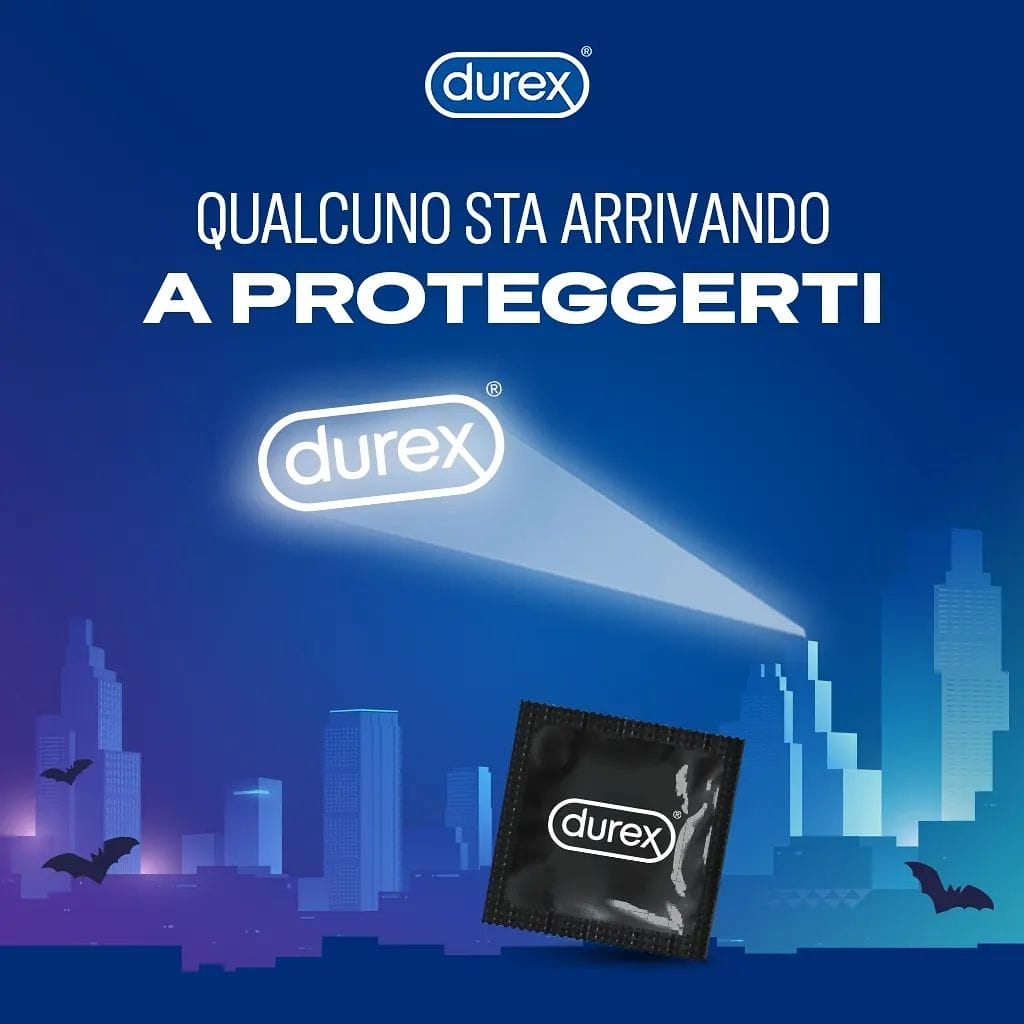
Durex, a well-known condom brand, is another brilliant example of the use of memes in marketing. Durex's strategy is based on a combination of humor and educational messages., making sensitive topics more accessible and shareable.
Taffo
Taffo, an Italian funeral home, is unique in its use of memes to communicate in a traditionally serious and formal industry. Through humorous and provocative Instagram posts, Taffo has transformed the perception of its brand, making it more accessible to people.

Netflix
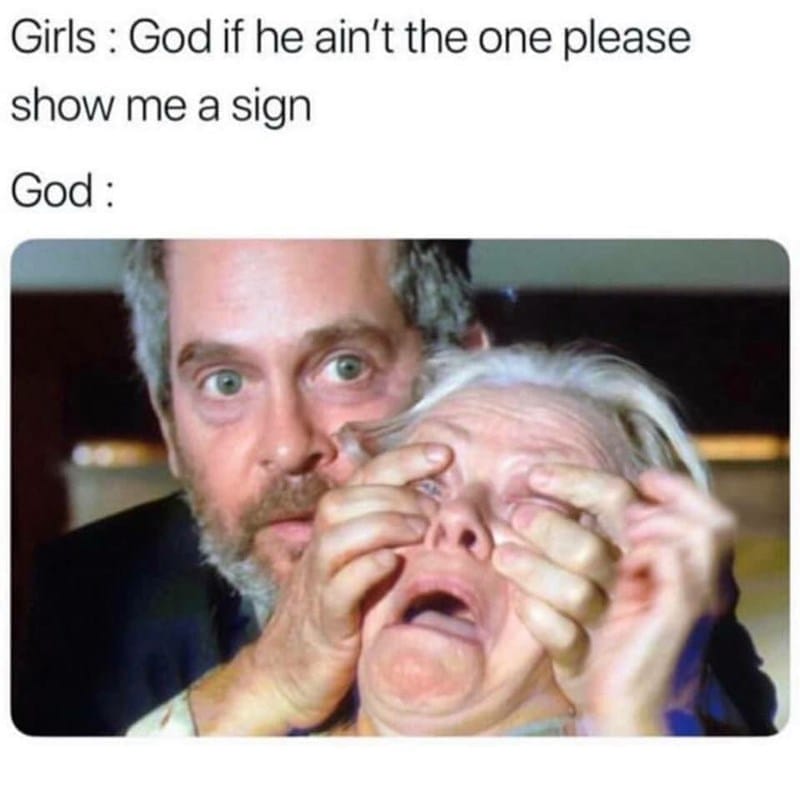
However, many other companies have failed in their attempts to use memes for marketing. Forced posting, outdated templates, and unoriginal memes have led to saturation and negative user perception. A prime example is Netflix's "Bird Box" meme, which required viewing the movie to understand and failed to achieve the desired success.

The future of digital marketing is through memes.
Meme marketing has proven to be an incredibly effective strategy in digital advertising. But what does the future hold for this form of marketing? Let's look at some key considerations:
- Growing popularity: Memes continue to gain popularity on social media and in online culture at large. Their viral nature makes them a powerful tool for connecting with audiences, and as such, memes will become increasingly relevant in the marketing landscape.
- Adaptability: Memes can be adapted to different platforms and formats, making them extremely flexible and versatile for businesses. This adaptability makes memes an attractive option for businesses looking to reach their audience in creative and effective ways.
- Generation Z: Gen Zers grew up with memes, and they're an integral part of their online culture. As one of the most important demographics for many businesses, it's essential for them to learn to speak the language of memes to connect with this generation.
- Personalization: Memes can be customized to match your brand's tone, language, and identity. Companies can create original memes to stand out from the competition and communicate their brand values in a light-hearted and humorous way.
- Technological innovation: With the advancement of technologies like artificial intelligence and virtual reality, meme marketing could evolve in even more creative and interactive ways that we don't yet know about.
Conclusions
Meme marketing can be a powerful strategy when used correctly. However, it requires a deep understanding of internet culture and an authentic, creative approach. Companies that successfully balance these elements can achieve high levels of engagement and success.
Conversely, improper use of memes can lead to negative perception and a loss of credibility. As with any marketing strategy, the key is knowing your audience and knowing how to communicate authentically and relevantly.
Want to incorporate memes into your marketing strategy?
Contact us for a personalized strategic and marketing consultation and find out how we can help you promote your brand through memes and more!


